
Your Summer Reading List to Build Better Brands

What do the leaders building some of the country’s best brands read?
Across dozens of new Stay StarryEyed podcast episodes, our guests have shared the books that have inspired them most.
This summer, we collected the top 13 relevant reads that keep coming up in conversations with these powerful, creative leaders.
Here's what made the list:
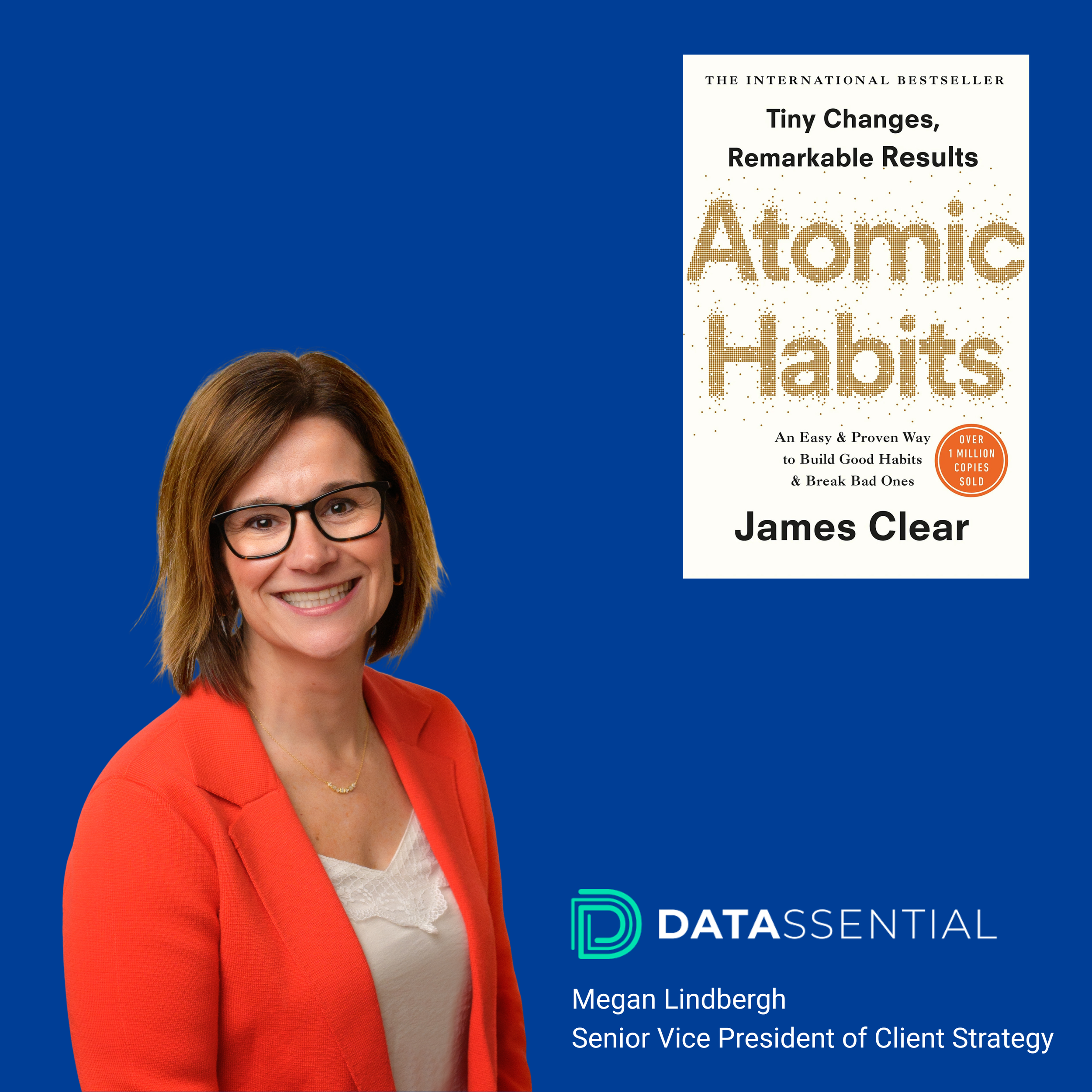
1. Atomic Habits by James Clear
Datassential tracks trends that become lasting cultural shifts so Megan loves Atomic Habits and the idea that you get 1% better every day when your small habits compound into something much bigger.
Megan applies the philosophy of training (better today, better tomorrow), to her life at home, at work and with her team, setting Datassential up to win with consistency and AI breakthroughs too.
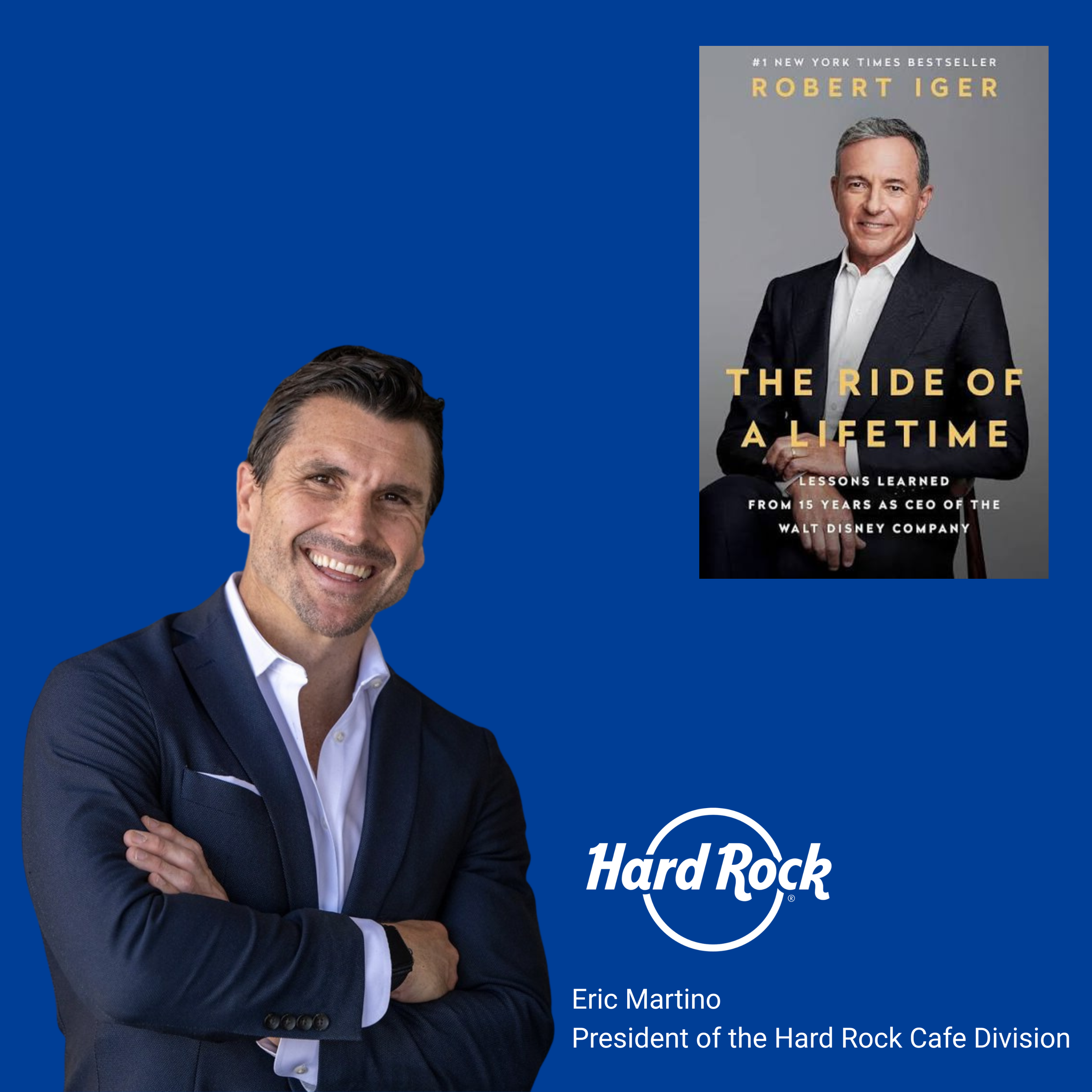
2. The Ride of a Lifetime by Bob Iger
Eric keeps a short list of most inspirational reads, including the The Compound Effect, Atomic Habits, and Setting the Table, but this is the one he circles back to most with Robert Iger's inside account.
Iger details leading Disney through the biggest acquisitions and toughest years. Perfect for anyone who is holding onto their brand’s history and heritage while giving customers new reasons to return.
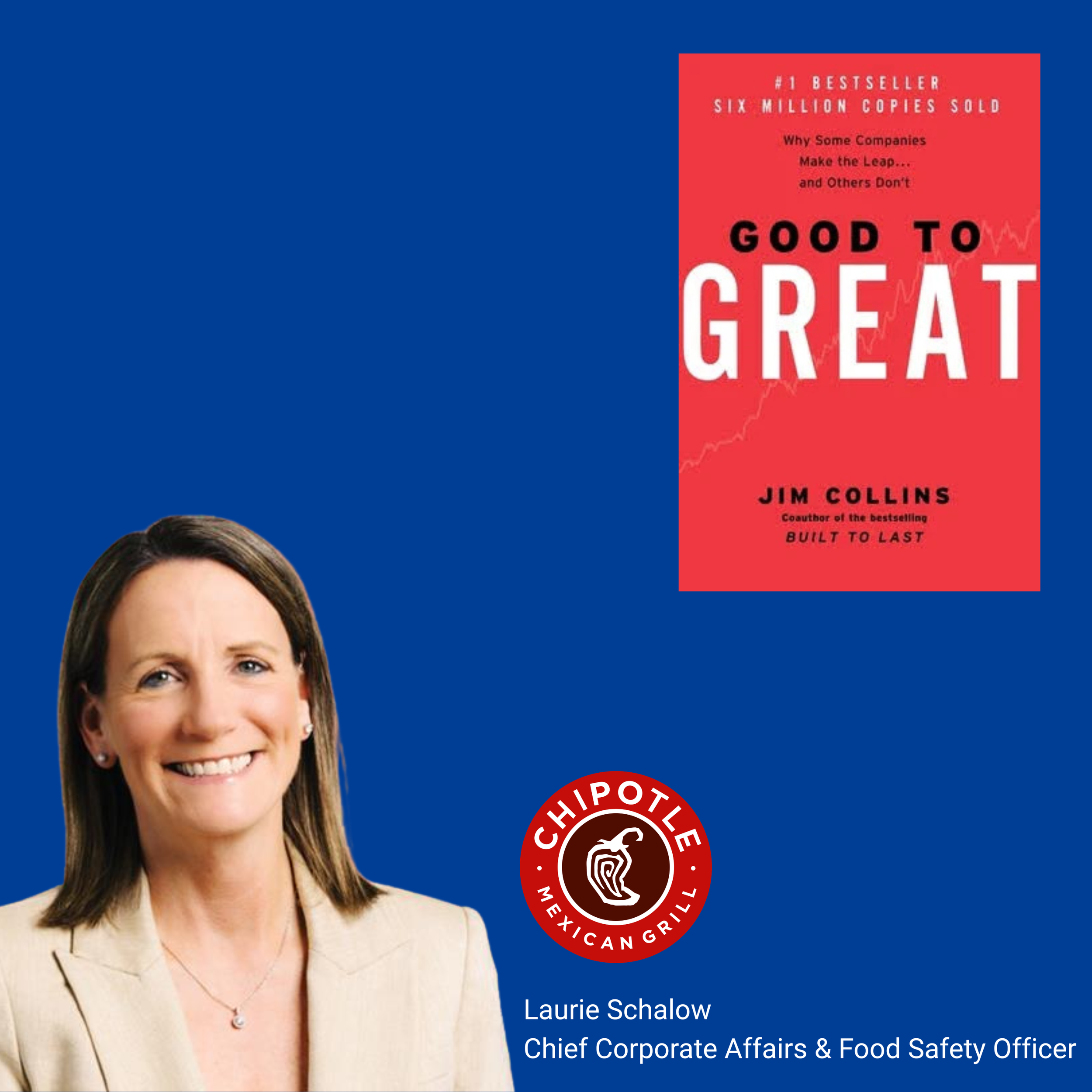
3. Good to Great by Jim Collins
Laurie still thinks about this one regularly, especially Collins' answer to what actually separates a good company from a truly great one: not a clever strategy, but rigor and having the right people in the right seats.
It's the same lens she brings to a company overseeing food safety and sustainability across more than 4,000 restaurants, where discipline in who you hire and how you operate outlasts any single campaign.
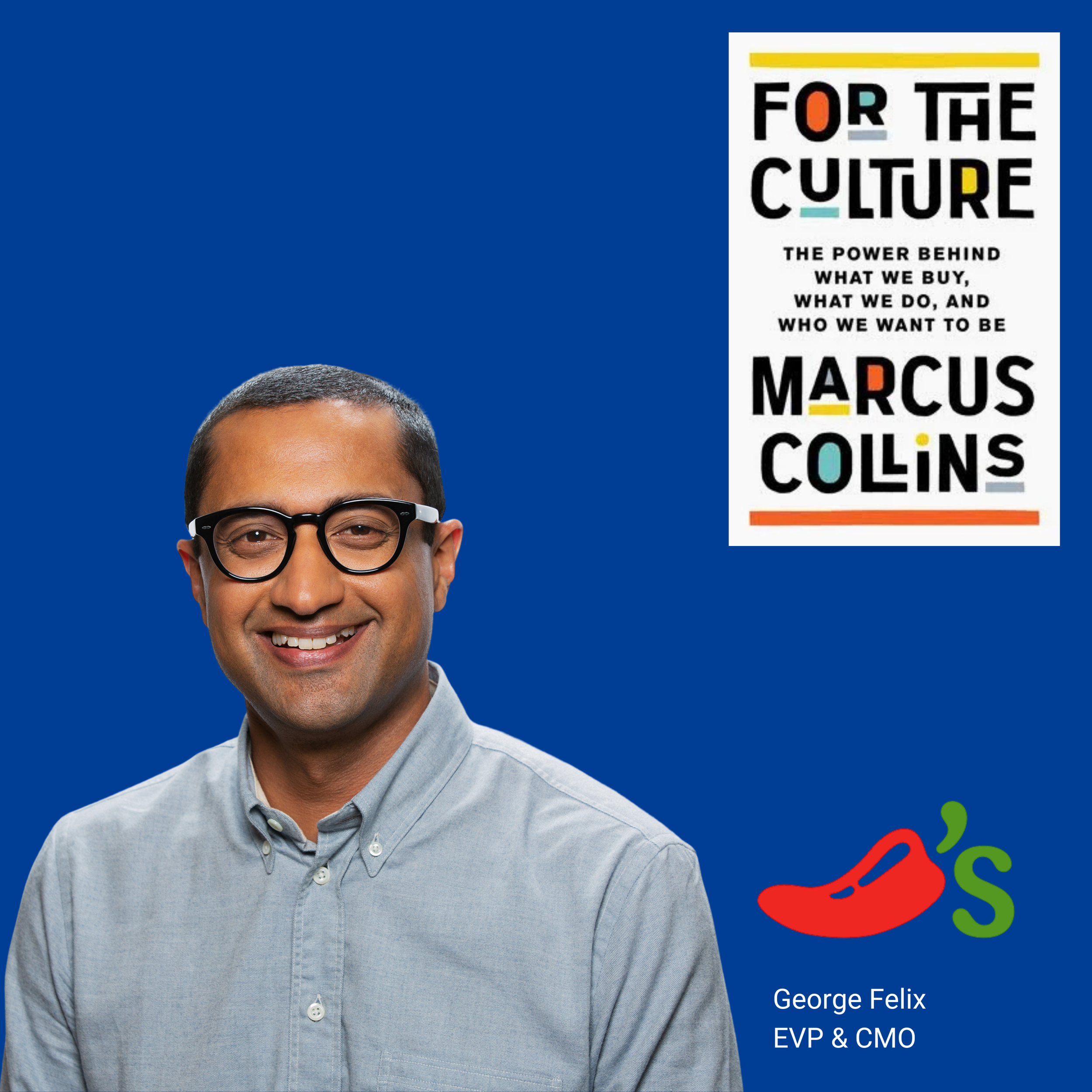
4. For the Culture by Marcus Collins
George calls Marcus Collins a force in the world of strategy and company culture. He says you don't have to be a marketer to get something out of it, but if you are one, it's close to required reading.
It's the same idea behind his "digging through the attic” exercise he credits for Chili's turnaround, a comeback now studied at Harvard that has grown Brinker's market cap from $1.3 billion to over $7 billion.
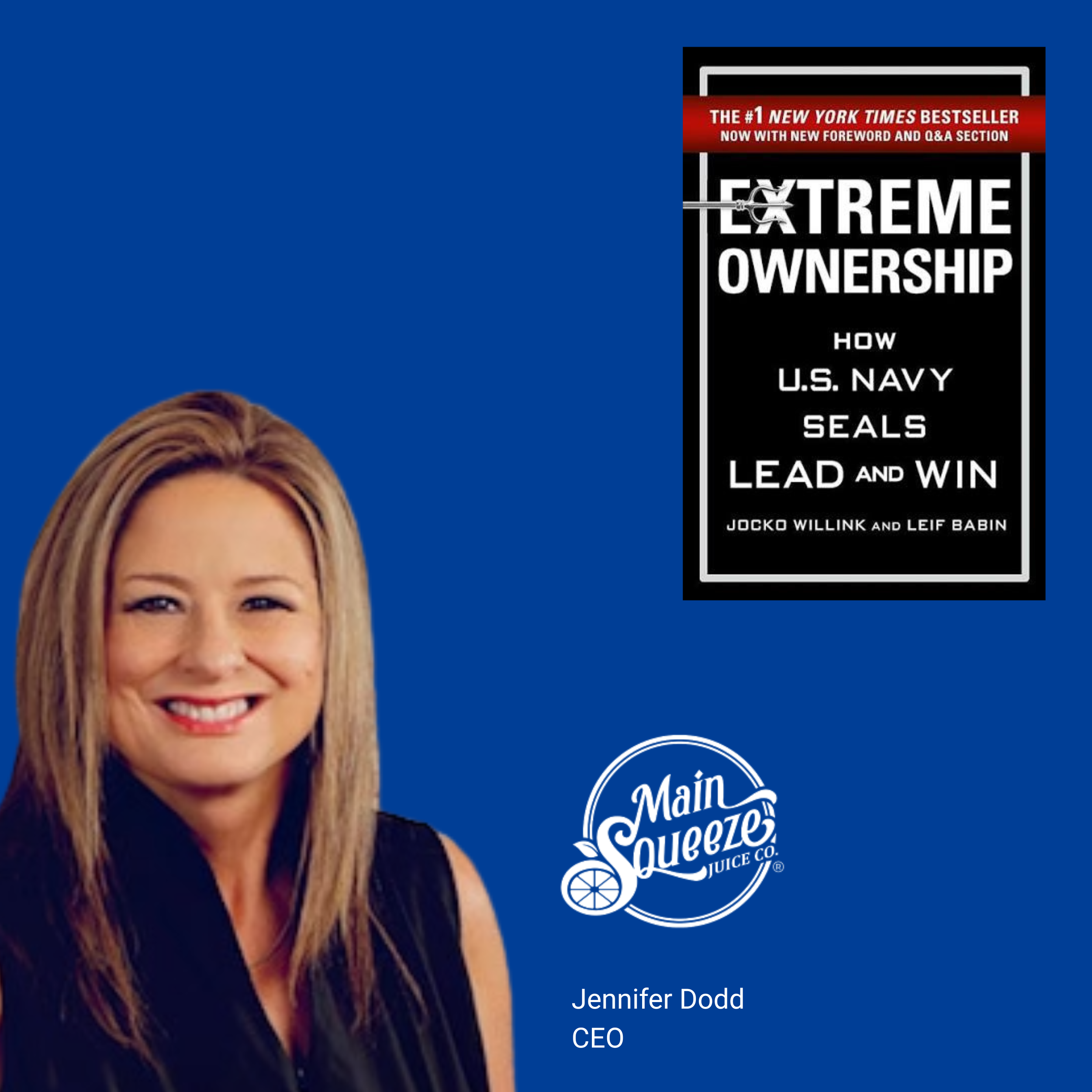
5. Extreme Ownership by Jocko Willink
Jen jokes people assume she has a crush on Willink because she quotes him so often, and she's only half kidding. She loves the former Navy SEAL commander's blunt rule: leaders own every outcome on their team, no one else to blame, no excuses.
She says her own health journey reshaped how she thinks about leadership, and that same conviction now shapes how she runs her team: the belief that the next generation of brands wins by making the better choice the easier one, not by lowering the bar.
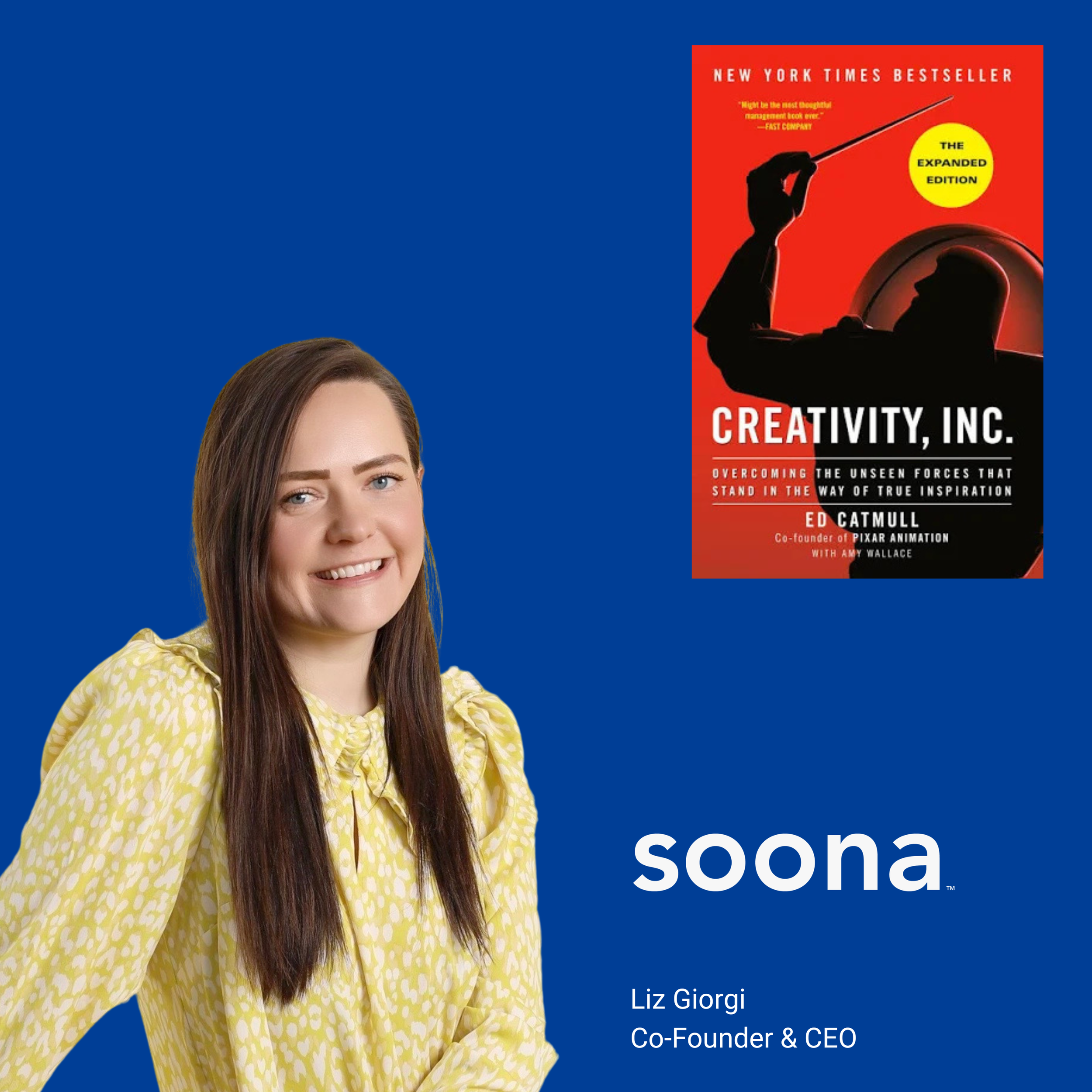
6. Creativity, Inc. by Ed Catmull
Liz built soona into an on-demand content production platform, and reads this one paired with its companion book, To Pixar and Beyond by Lawrence Levy, Pixar's former CFO, to ensure she protects culture so that original creative ideas can survive in a fast-growing company.
Reading the founder's account and the finance leader's account of the same years, side by side, is what changed how Liz runs her own business: she now makes a point of hearing both the creative case for an idea and the financial one before she commits to it.
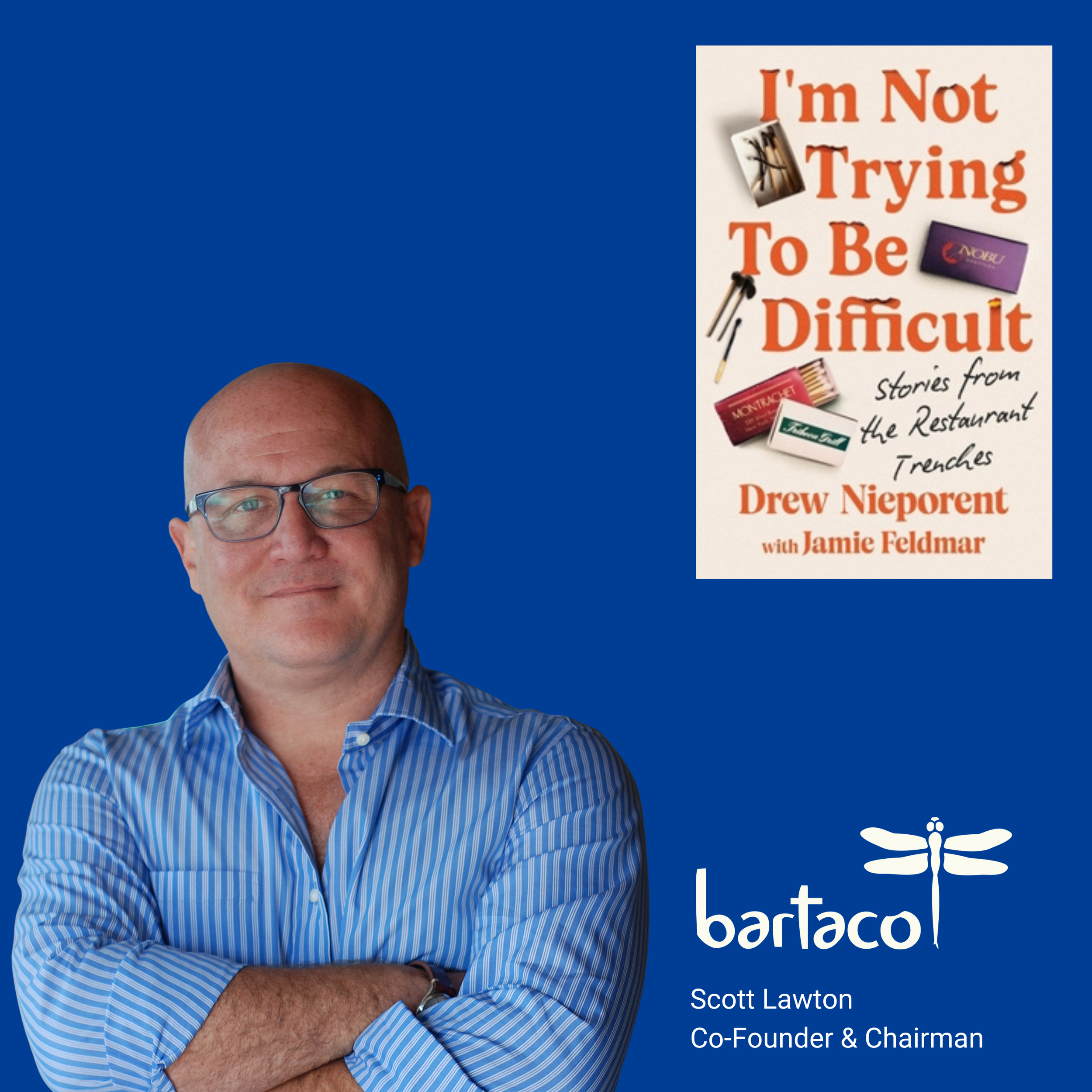
7. I'm Not Trying to Be Difficult by Drew Nieporent
Scott's favorite isn't a business book so much as a lifetime's worth of hospitality lessons from the restaurateur behind enduring brands like Nobu, Tribeca Grill, and Montrachet. The key takeaway: some of what makes a standout brand can't be captured by numbers alone.
Scott used the inspo to help build bartaco into a best-in-class brand that blends both sales and sentiment to track performance. He and his team have proven that instinct and data can work side by side, growing bartaco to more than 30 locations with AUV of $5.7 million.
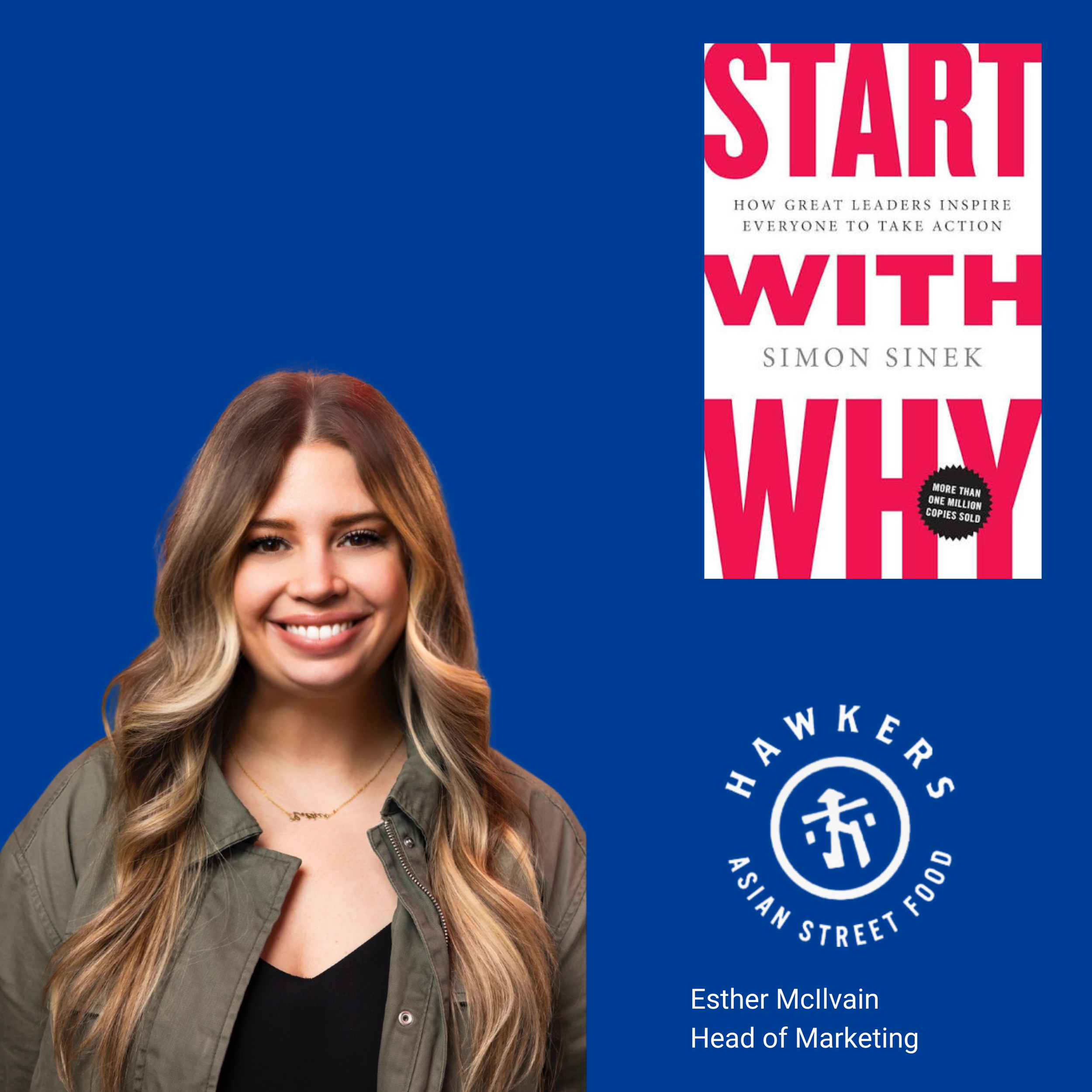
8. Start With Why by Simon Sinek
Esther calls this book timeless because it's built around one central idea: brands and leaders create the strongest connection with customers and teams by leading with purpose. Knowing your "why," your brand's North Star, shapes everything you do, say, and sell.
Esther credits Hawkers' fast growth through word of mouth and loyal repeat guests to knowing exactly what the brand stands for. As discovery shifts online, she says conveying how your brand is better and different than the rest is more critical than ever before.
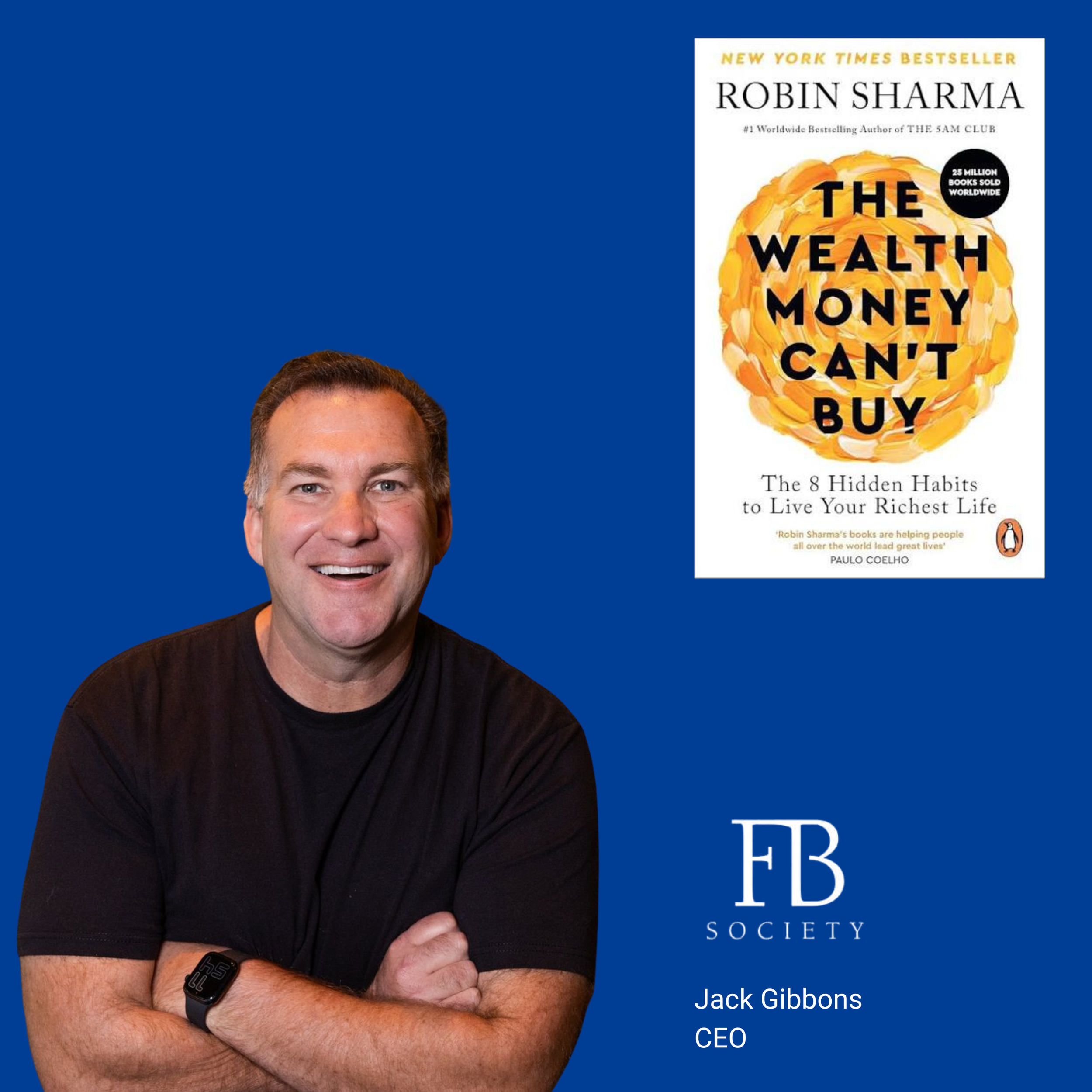
9. The Wealth Money Can't Buy by Robin Sharma
Jack calls this an amazing book, especially to ensure you’re not defined only by your job. It’s about how real wealth has nothing to do with cash in the bank, teaching things like how to become a "perfect moment" creator and why partner choice accounts for 90% of your joy.
Jack lives a version of that himself: a week in Dubai each year just to think bigger, a 40-pushup club he started at the office after a health scare, and sharing everything with his wife. Building FB Society from one restaurant into many is just one measure of a much bigger life.
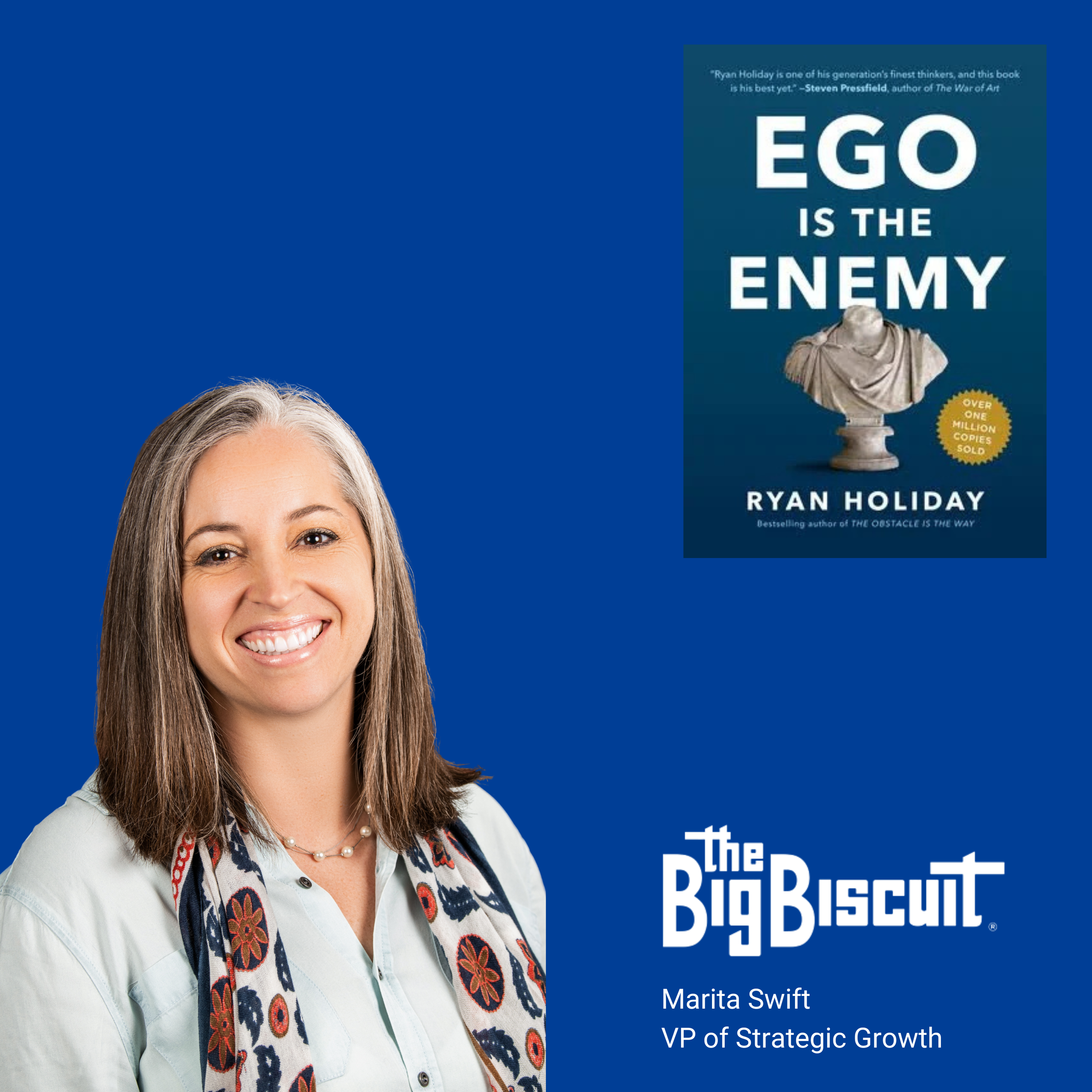
10. Ego Is the Enemy by Ryan Holiday
Marita read this one with The Big Biscuit's book club, and it changed how her team talks about being overwhelmed: are you upset because you think you should execute everything flawlessly, or is that just ego talking? Once you can see it, she says, you can be free of it.
Marita has lived a version of that herself, stepping back from a culinary career to rebuild as VP of Strategic Growth, rewriting her own resume around the job she wanted before anyone would hire her for it. Out of many things she could focus on, she picks four and lets the rest go.
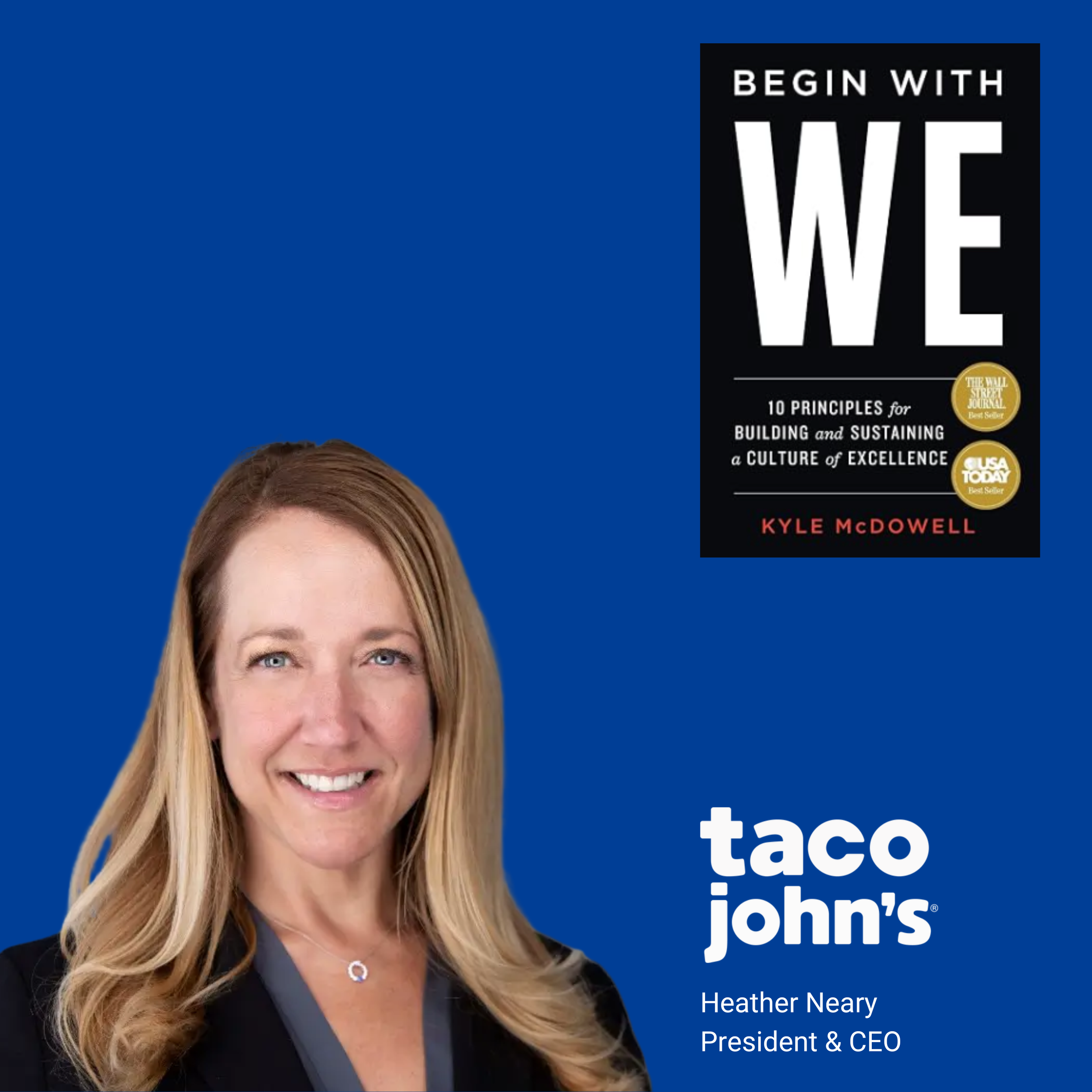
11. Begin with We by Kyle McDowell
Heather and her team read this book together, and it's the antidote she keeps coming back to: strip away the jargon, and leadership boils down to something simple. Details matter, and you win together.
At Taco John's, it's how Heather’s team gave away 20,000 free meals in under 18 hours during a government shutdown with corporate and franchisees pivoting together on zero notice and acting as one.
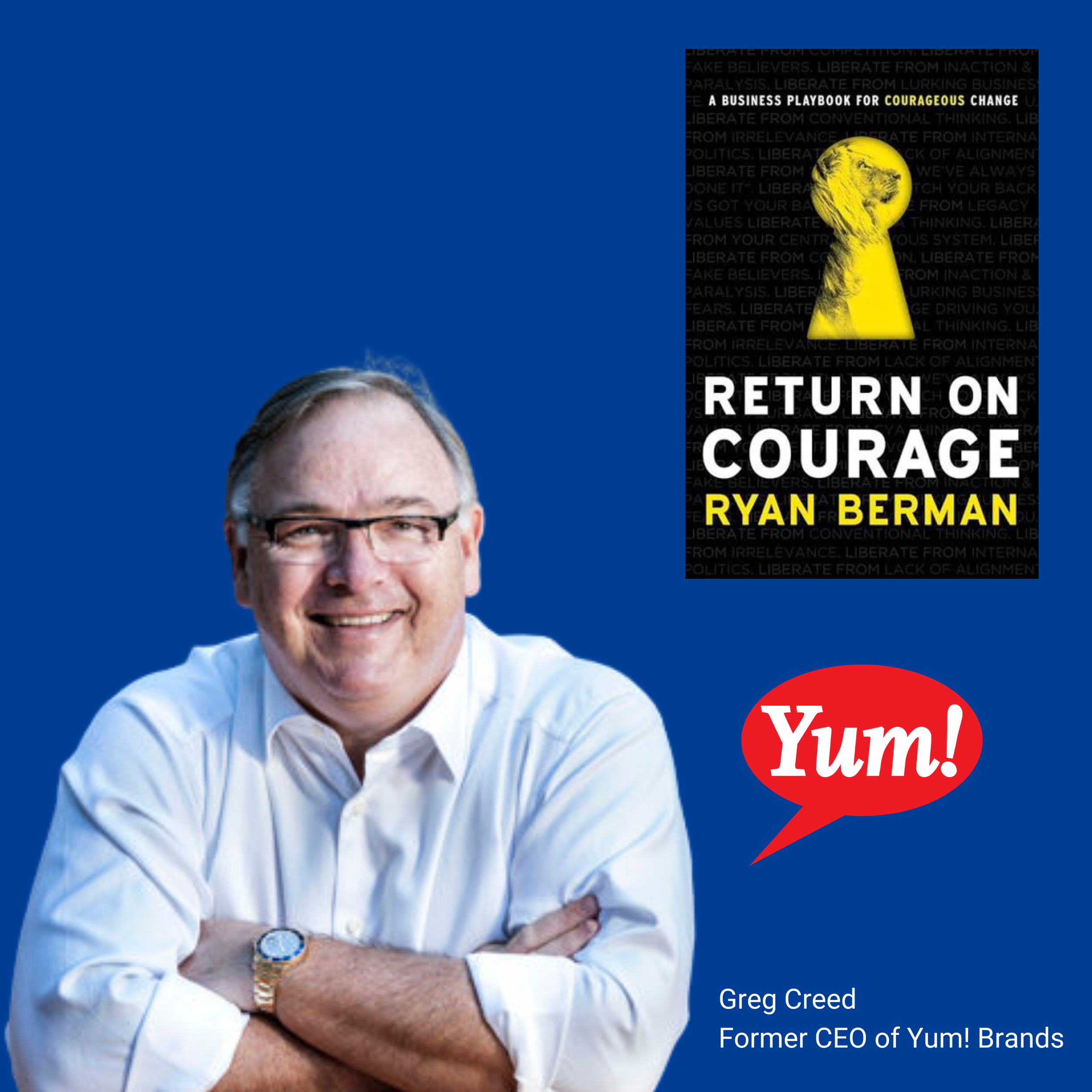
12. Return on Courage by Ryan Berman
Greg still references Berman's idea of what separates courageous leaders from timid ones: knowledge plus conviction plus action, or knowing, feeling, and doing, as the one that guides him.
Greg built his career on this, leading Taco Bell's turnaround and rising to CEO of the largest restaurant company in the world knowing the boldest calls, not the safest ones, are what move a business forward.
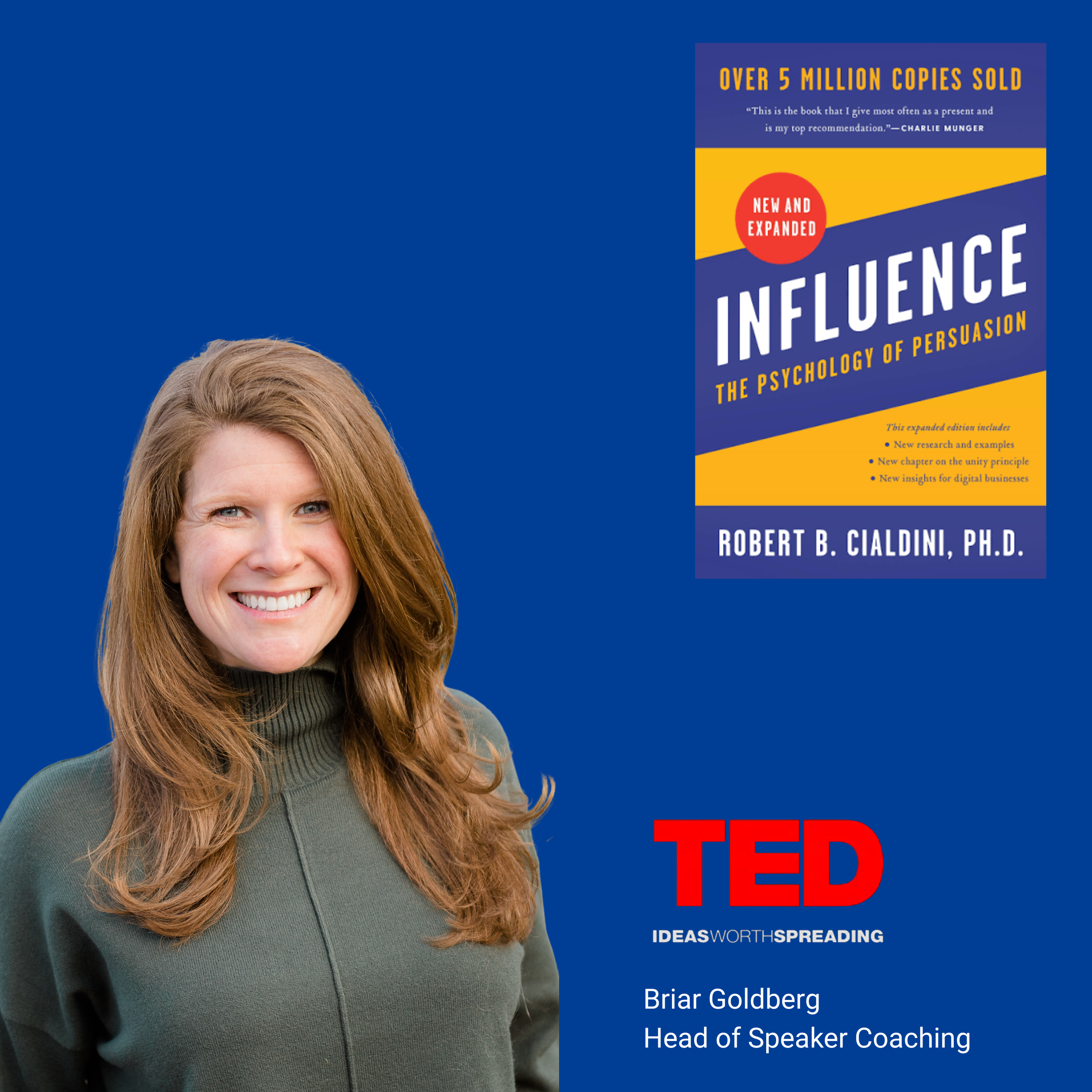
13. Influence: The Psychology of Persuasion by Robert B. Cialdini
Briar calls Cialdini's work essential reading for anyone who has to communicate anything at work. It aligns with her own ABC rule (audience before content) that she uses to coach CEOs, Nobel laureates, and Oscar and Grammy winners at TED.
She also keeps Richard O. Young's How Audiences Decide on hand because, as she says, "everything in communication has been researched. Don't leave anything up to chance." Together, the two books reinforce her belief that great communication starts with understanding how people think before deciding what to say.
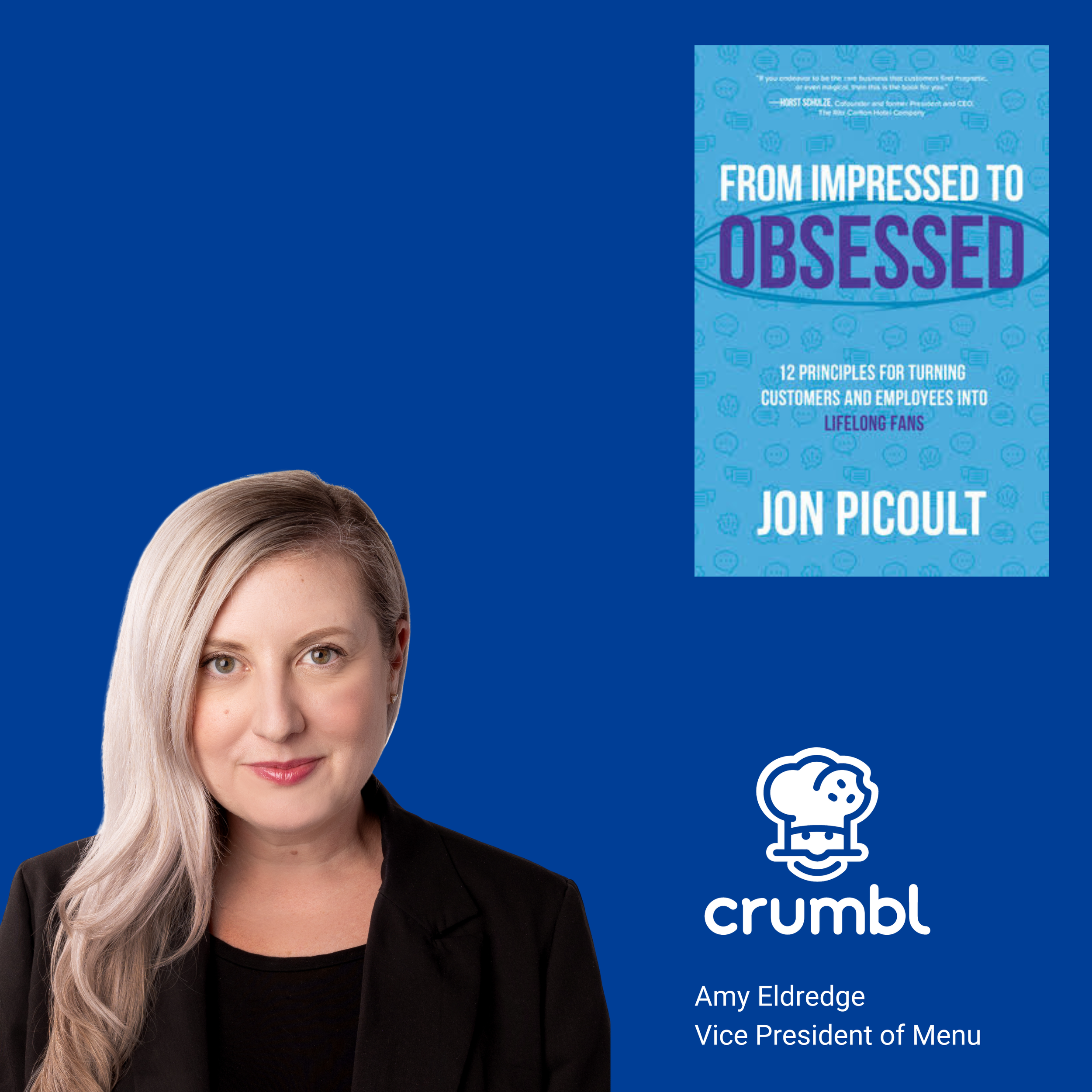
14. From Impressed to Obsessed by Jon Picoult
Amy first came across Picoult years ago at a conference, long before she ever imagined he'd be speaking at Crumbl's own owners conference. She calls his lens on customer experience "terrific," the kind of thinking that actually changes how you view the job.
It's a natural fit for a brand built on 52 weekly menu drops, where the real test isn't whether people like one flavor, it's whether they come back next week for whatever's new. It also aligns with Crumbl's own testing process: over 70 franchise-run stores feeding back real operational and customer data before anything launches nationwide.
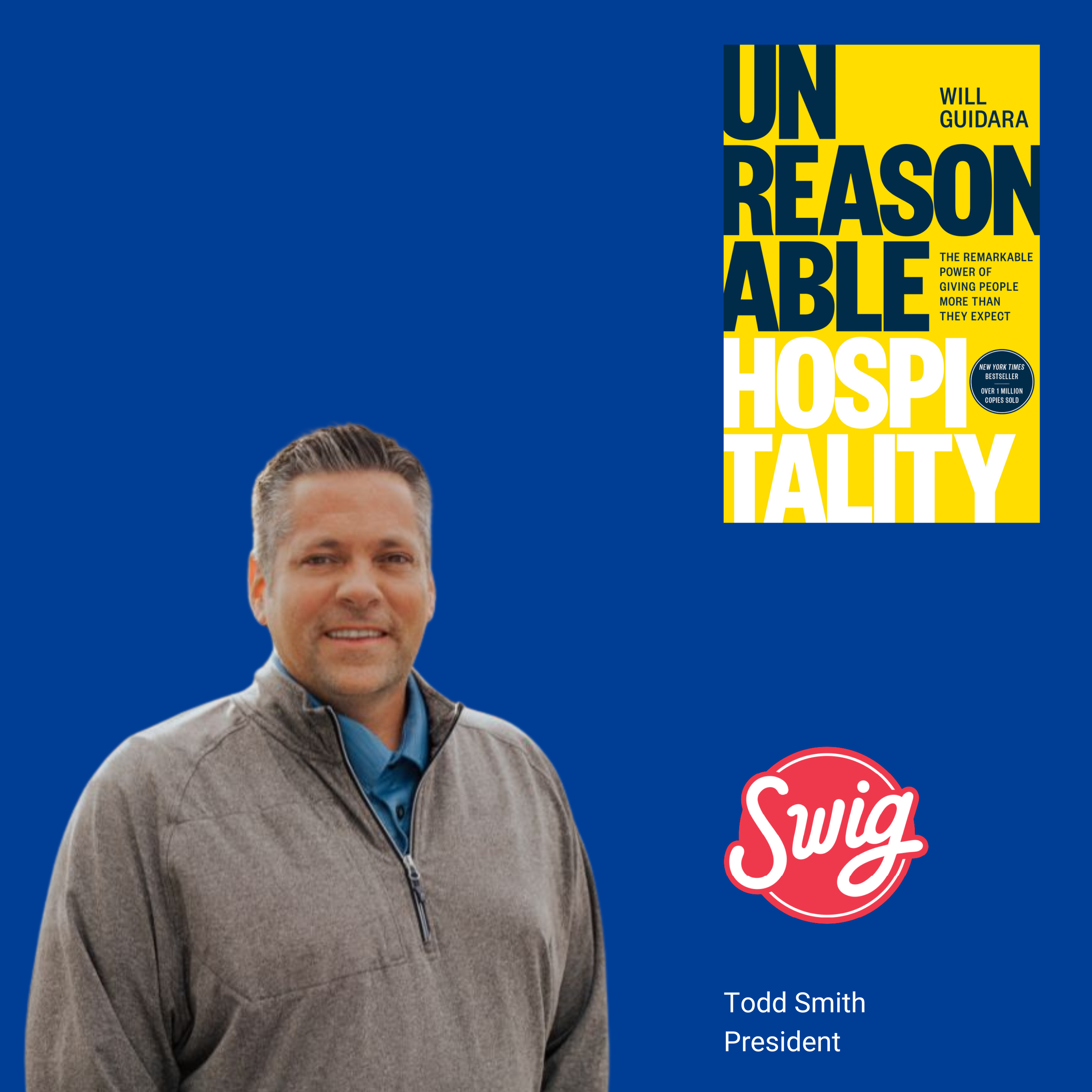
15. Unreasonable Hospitality by Will Guidara
Todd calls this "an extraordinary read," and the same instinct runs from his early day at Yum! Brands to how he and his team makes sure guests are treated at Swig, right down to the diameter of the straw.
It's the same thread running through his own leadership shift too, from being the best person in the room to building a team that is. His analogy: don't hold the light and lead people across a dark room, hang it in the middle and empower them to find their own way.
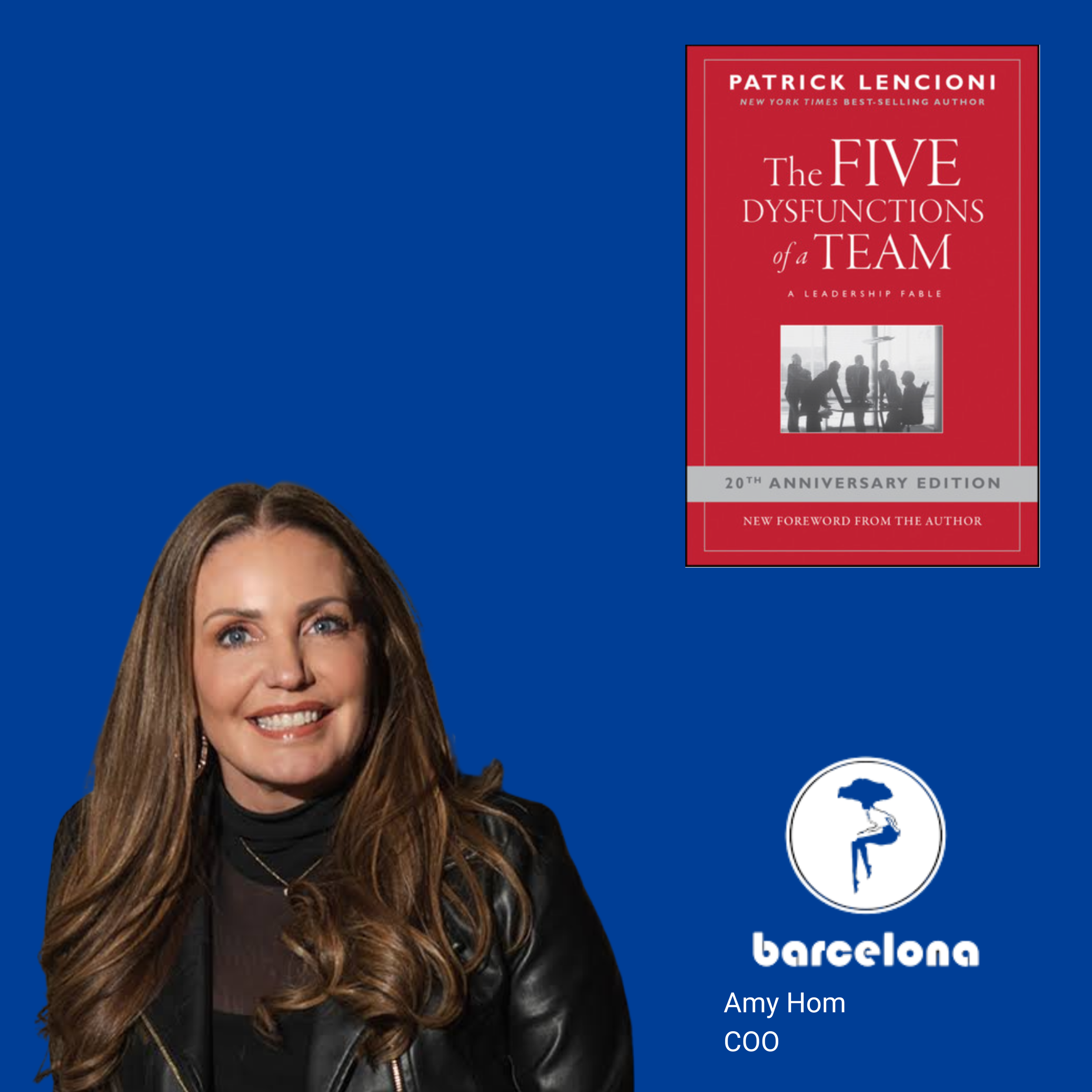
16. The Five Dysfunctions of a Team by Patrick Lencioni
Amy calls herself "a big Five Dysfunctions of a team chick." The book's model starts with trust, and is specific about what it requires: team members willing to be vulnerable with each other.
That's exactly what Amy’s heart checks do too. Before any real work happens, she asks her team to rate how they're feeling, one to five, no exceptions, and say why. It's a small daily habit that builds the same vulnerability Lencioni says a team can't function without.
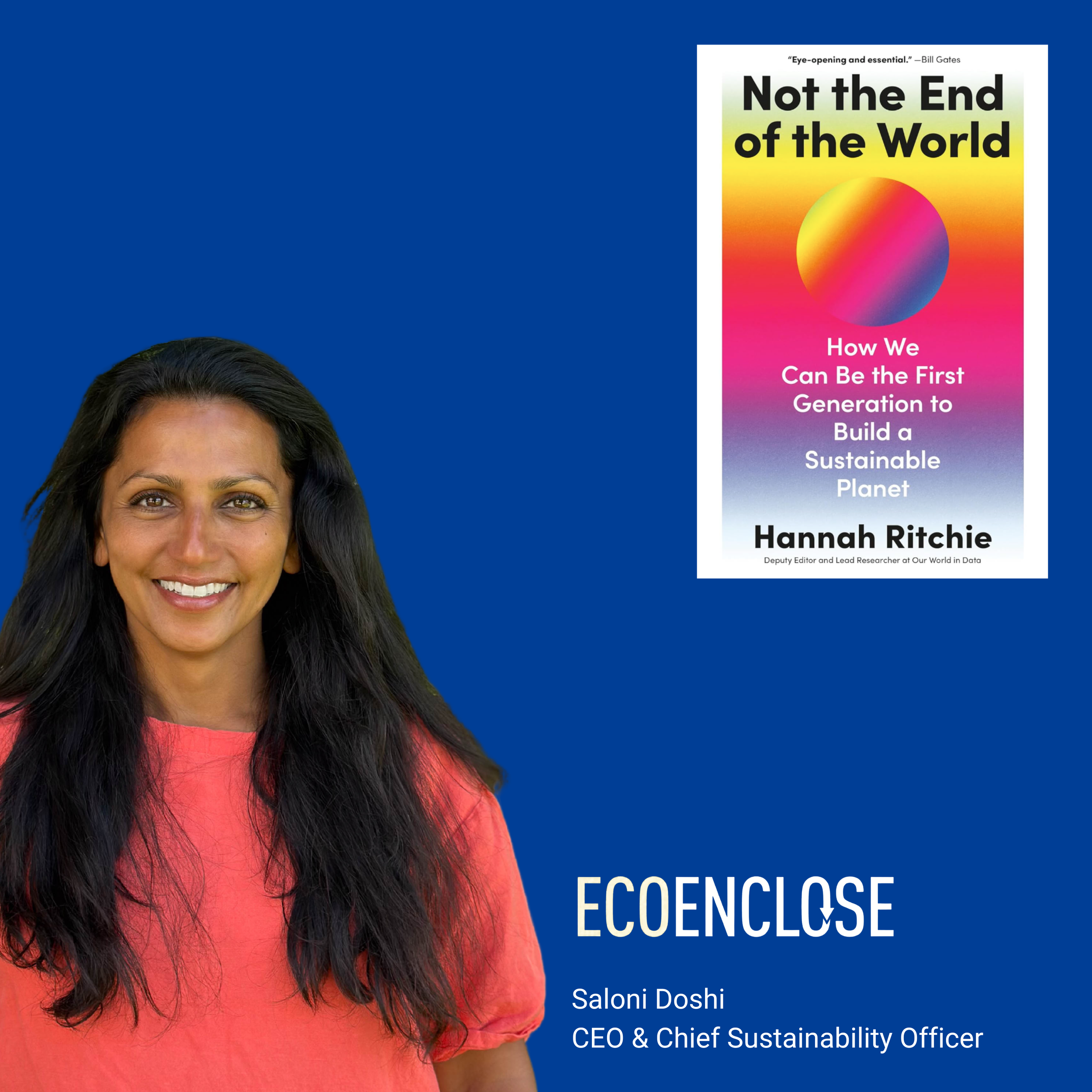
17. Not the End of the World by Hannah Ritchie
Saloni leads sustainable packaging for brands like Crocs and Chö Chocolates, and Ritchie's data-driven case for optimism, that meaningful environmental progress is possible without waiting for a perfect solution, lines up with how she talks about her own work.
Her team does the right thing and protects margins. She also named Man's Search for Meaning by Viktor Frankl among her picks, a book she revisits to ensure purpose-driven work worth doing in the first place.
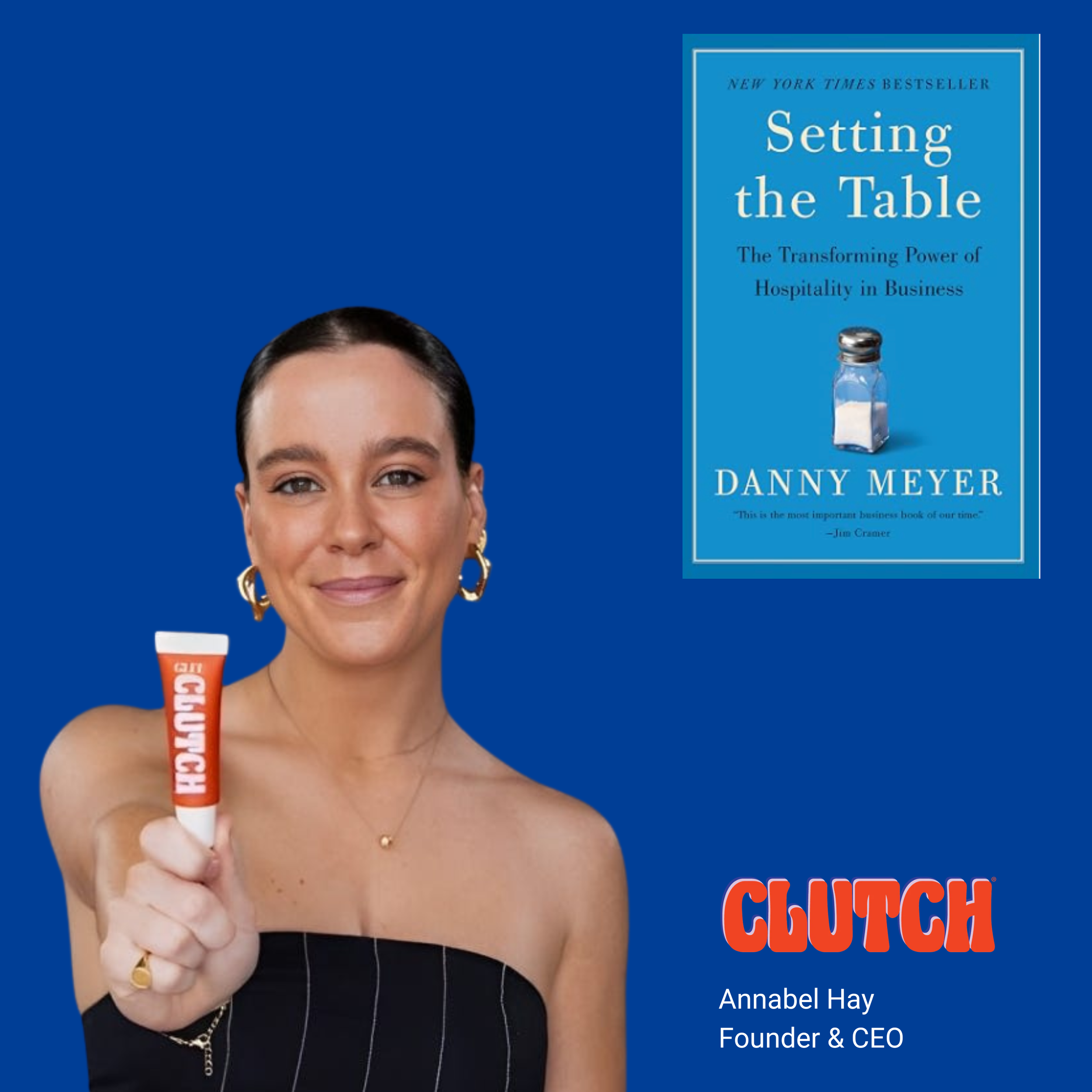
18. Setting the Table by Danny Meyer
CLUTCH has grown almost entirely through Annabel's voice online, and she still runs her own community management to this day. Her pick is a bit of a surprise for a product brand outside hospitality.
"Hospitality books have the best business advice in them," she says. Fitting for someone who built a brand on the same instinct Meyer's known for, making sure customers know you care, one reply at a time.